Contact us
Contact us
Our WorkOur Products
About UsOur Process
NewsroomContact Us

Our studio

  • Collingwood
    3/30-34 Oxford Street,
    Collingwood, Victoria 3066

Follow us

Work
  • Our work
  • Our products
  • Our process
  • Newsroom
Company
  • About
  • Process
  • Website support
  • Contact us
Connect
  • Facebook
  • LinkedIn
  • YouTube
Newsletter

Subscribe for marketing insights, campaign ideas and the latest from the ADME team.

© 2026 ADME. All rights reserved.PrivacyTermsEditorial standards
← Newsroom/EVs & hybridsPolicy & safety

Plug-in hybrids emit almost as much CO2 as petrol and diesel cars, report finds

Compiled by ADME Newsroom from 1 source

First reported by The Driven · 19 October at 5:10 pm
Who's covering this — 1 article

EV specialists
1
Share

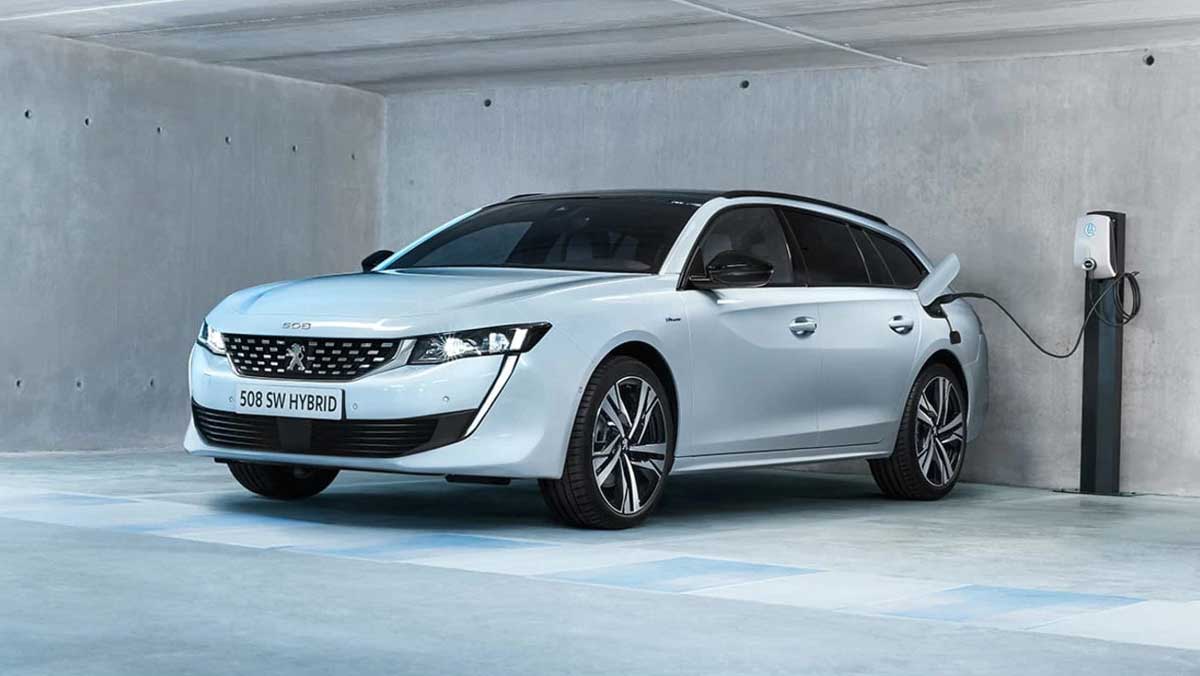
Image: The Driven

The quick read

Full coverage

The Driven·EV specialists·19 October at 5:10 pm

Plug-in hybrids emit almost as much CO2 as petrol and diesel cars, report finds

The real-world emissions from plug-in hybrid electric vehicles (PHEVs) is only 14 per cent less than those of conventional internal combustion engine cars. The post Plug-in hybrids emit almost as…

Read at The Driven →

More from the newsroom

The Driven

Mercedes unveils high performance, long range and high priced AMG GT SUV, which is heading to Australia

CarExpert

Top 10 family PHEVs with the longest electric range

The Driven

Chinese car maker Chery to launch new premium electric brand Exlantix in Australia in 2027

Fleet Auto News

Want to cut fleet emissions? Start with fewer vehicles

EV Central

Hyundai Inster prices cut again: Cheapest non-Chinese EV title reclaimed, but equipment disappears

CarExpert

Independent vehicle safety testing "not important", says major automaker's CEO

The ADME Newsroom is a news aggregator. Headlines, excerpts and article images remain the property of their original publishers, are shown for the purpose of reporting news, and always link to and credit the original reporting. Items marked “file image” use manufacturer-supplied press imagery of the vehicle referenced; vehicle and brand names are trademarks of their respective owners.

Quick-read summaries and “ADME commentary” are our own, are clearly marked, and are general industry commentary — not financial, legal or purchasing advice. Summaries and commentary may be AI-assisted and can contain errors — always check the original reporting before relying on specifics. Publishers and manufacturers: for corrections, attribution changes or removal, contact advertising@adme.net.au and we'll action it promptly. Read our editorial standards.

Ready to stand out?Tell us about it.

Whether it’s a brand, a campaign or a product that needs to stand out, we’d love to hear about it.

Tell us about your project →
Our studio
  • Collingwood
    3/30-34 Oxford Street,
    Collingwood, Victoria 3066
Call(03) 9417 7107
Emailadvertising@adme.net.au

The quick read

  • Plug-in hybrid electric vehicles emit only 14 per cent less CO2 than conventional internal combustion engine cars in real-world conditions.
  • The emissions gap between PHEVs and conventional cars is narrower than expected.
  • PHEVs are not as environmentally friendly as perceived.
  • Conventional internal combustion engine cars and PHEVs have similar emissions profiles.

For dealers: Australian dealers need to reassess their marketing strategies for plug-in hybrid vehicles in light of these findings.

AI-assisted summary of the coverage below — check the original reporting before relying on specifics.

ADME commentary

The ADME angle

The revelation that plug-in hybrids emit almost as much CO2 as petrol and diesel cars is a significant blow to their perceived environmental benefits, which could impact consumer demand and ultimately, showroom traffic.

What it means for the order bank

Dealers who have stocked up on PHEVs in anticipation of high demand may find themselves with a surplus of vehicles that are no longer as attractive to environmentally conscious consumers.

The pricing and margin of PHEVs could also be affected, as consumers may be less willing to pay a premium for a vehicle that is not as eco-friendly as they thought.

Competitors who have invested heavily in PHEV technology may need to re-evaluate their strategies and consider a shift towards fully electric vehicles.

Marketing and lead handling implications

Dealers will need to adjust their marketing strategies to address the new emissions findings and potentially reposition PHEVs as a compromise between conventional and electric vehicles.

This could involve highlighting the benefits of PHEVs in terms of fuel efficiency and performance, rather than just their environmental credentials.

Taking action

This week, dealers can take a decisive action by reviewing their current PHEV stock and marketing materials, and considering a pivot towards fully electric vehicles or other alternatives that can deliver on their environmental promises.

Go deeper — ADME analysis

  • VFACTS May 2026: a Tesla outsells every ute, and the market keeps shifting →
  • NVES and the FBT change: the two policies quietly reshaping what Australia buys →