Contact us
Contact us
Our WorkOur Products
About UsOur Process
NewsroomContact Us

Our studio

  • Collingwood
    3/30-34 Oxford Street,
    Collingwood, Victoria 3066

Follow us

Work
  • Our work
  • Our products
  • Our process
  • Newsroom
Company
  • About
  • Process
  • Website support
  • Contact us
Connect
  • Facebook
  • LinkedIn
  • YouTube
Newsletter

Subscribe for marketing insights, campaign ideas and the latest from the ADME team.

© 2026 ADME. All rights reserved.PrivacyTermsEditorial standards
← Newsroom/EVs & hybrids

Tesla’s quiet EV software update is unplugging Australian homes from their batteries on wheels

Compiled by ADME Newsroom from 1 source

First reported by The Driven · 7 November at 7:16 pm
Who's covering this — 1 article

EV specialists
1
Share

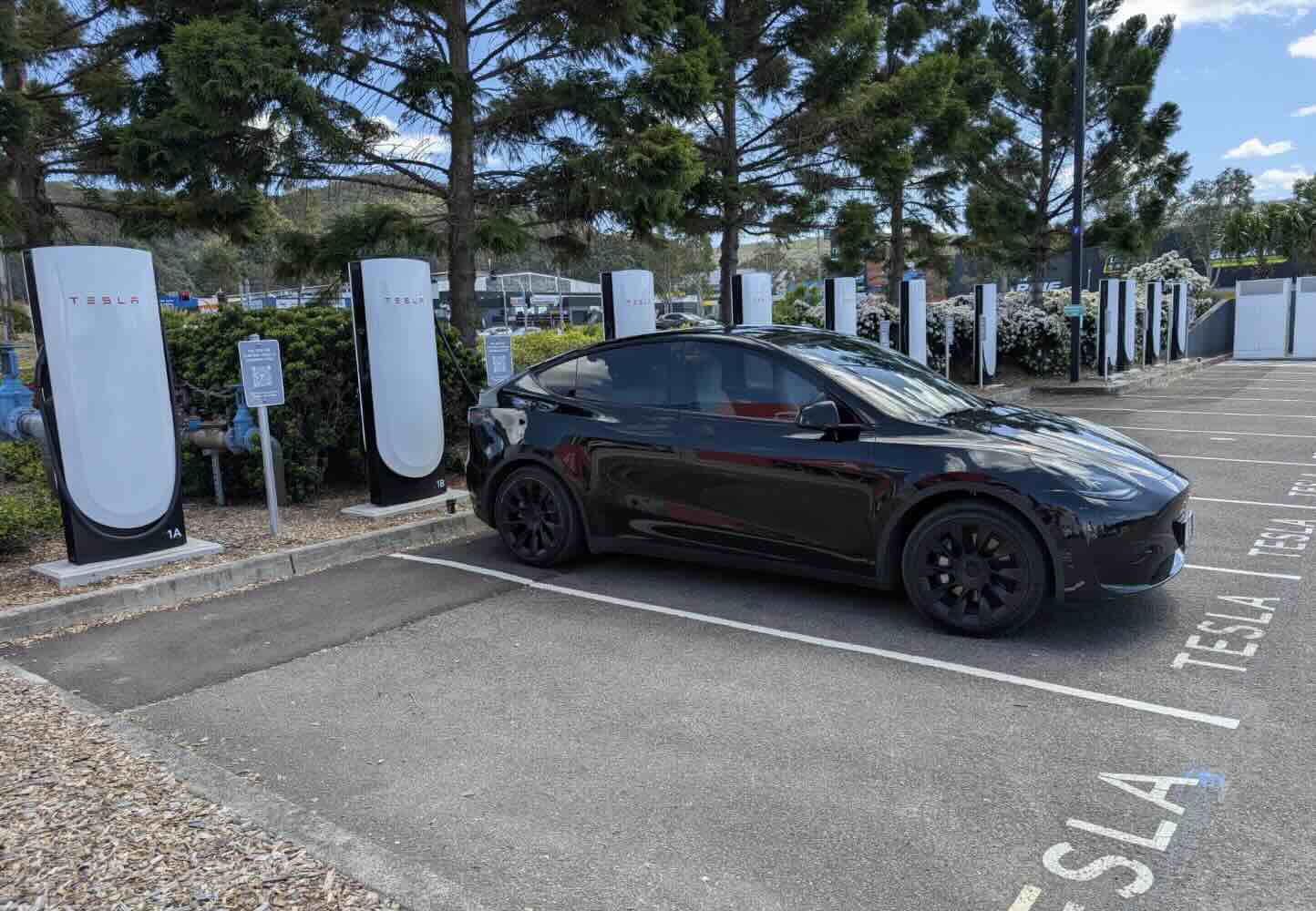
Image: The Driven

The quick read

Full coverage

The Driven·EV specialists·7 November at 7:16 pm

Tesla’s quiet EV software update is unplugging Australian homes from their batteries on wheels

Updated: A software update is stopping Tesla EV owners from powering their homes with third-party chargers. That is a problem for owners, for competition and for the grid. The post Tesla’s quiet EV…

Read at The Driven →

More from the newsroom

The Driven

GAC offers $2,000 cashback on its popular, well-equipped Aion V electric SUV model

EV Central

Best EV and PHEV utes in Australia 2026: The complete guide to electric and plug-in hybrid dual-cabs

EV Central

2026 Hyundai Staria Load Electric Brief Drive: The electric van I’d want to drive every day, but would my boss pay for it?

CarExpert

GWM Haval H7: PHEV-heavy sales forecast following strong pre-launch interest

CarExpert

2027 Volvo ES90 review

EV Central

2026 Range Rover Sport Electric Brief Drive: An electric performance SUV? It’s just not cricket

The ADME Newsroom is a news aggregator. Headlines, excerpts and article images remain the property of their original publishers, are shown for the purpose of reporting news, and always link to and credit the original reporting. Items marked “file image” use manufacturer-supplied press imagery of the vehicle referenced; vehicle and brand names are trademarks of their respective owners.

Quick-read summaries and “ADME commentary” are our own, are clearly marked, and are general industry commentary — not financial, legal or purchasing advice. Summaries and commentary may be AI-assisted and can contain errors — always check the original reporting before relying on specifics. Publishers and manufacturers: for corrections, attribution changes or removal, contact advertising@adme.net.au and we'll action it promptly. Read our editorial standards.

Ready to stand out?Tell us about it.

Whether it’s a brand, a campaign or a product that needs to stand out, we’d love to hear about it.

Tell us about your project →
Our studio
  • Collingwood
    3/30-34 Oxford Street,
    Collingwood, Victoria 3066
Call(03) 9417 7107
Emailadvertising@adme.net.au

The quick read

  • A software update is stopping Tesla EV owners from powering their homes with third-party chargers.
  • This is a problem for owners, competition, and the grid.
  • The update affects Tesla EV owners who use their vehicles as a power source for their homes.
  • This change could impact the adoption of EVs and the development of vehicle-to-grid technology.

For dealers: Australian dealers should be prepared to address customer concerns about the compatibility of their EVs with third-party chargers and the potential impact on the grid.

AI-assisted summary of the coverage below — check the original reporting before relying on specifics.

ADME commentary

The ADME angle

Tesla's decision to stop its EV owners from powering their homes with third-party chargers using a software update is a clear attempt to exert control over the vehicle-to-grid market.

This move could have significant consequences for the Australian energy market, as it may limit the ability of households to use their EVs as a backup power source during outages or peak demand periods.

What it means for customer choice

The update raises concerns about the limitations of EV ownership and the potential for manufacturers to restrict the use of their vehicles in certain ways, which could impact customer demand and loyalty.

Tesla's move may also prompt other manufacturers to re-evaluate their own vehicle-to-grid strategies and consider similar restrictions, which could lead to a lack of standardization and interoperability in the industry.

Impact on the grid and competition

The restriction on third-party chargers could also impact the development of vehicle-to-grid technology, which relies on the ability of EVs to supply energy back to the grid during peak demand periods.

This could limit the potential for EVs to contribute to grid stability and reduce strain on the energy system, which is a key benefit of widespread EV adoption.

Dealer response

To address customer concerns and stay ahead of the competition, dealers should be prepared to offer alternative solutions and provide clear information about the capabilities and limitations of the EVs they sell.

One decisive action a dealer could take this week is to review their current EV offerings and develop a plan to communicate the implications of Tesla's software update to their customers and potential buyers.

Go deeper — ADME analysis

  • VFACTS May 2026: a Tesla outsells every ute, and the market keeps shifting →
  • NVES and the FBT change: the two policies quietly reshaping what Australia buys →